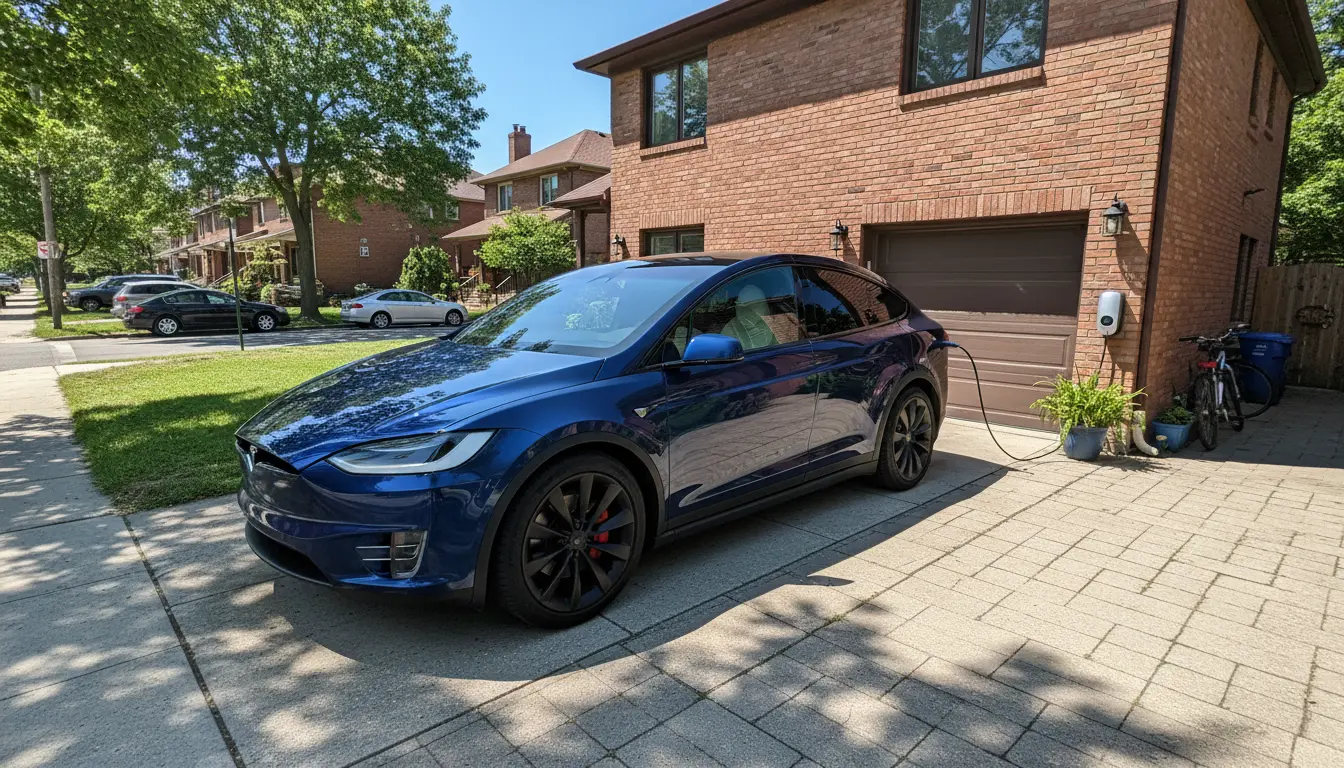
2026 Maruti Suzuki e Vitara Overview
The 2026 Maruti Suzuki e Vitara is a compact electric SUV designed for modern families who want a practical, efficient vehicle. It aims to combine a usable electric range, family-friendly space, and simple smart features without complexity.
This article explains the key specs, daily use tips, charging options, safety features, and ownership costs with clear, practical advice for family buyers.
Key specifications of the 2026 Maruti Suzuki e Vitara

Below are the headline specs you should know when evaluating the e Vitara for family use.
- Battery and range: Expect a 45–60 kWh battery with a real-world range of 300–420 km depending on driving style.
- Motor output: Around 120–160 kW peak power with instant torque for city overtakes and highway merging.
- Charging: AC home charging (7–11 kW) and DC fast charging (up to 80 kW) for 10–80% in ~30–40 minutes.
- Seating and space: Five seats, modular rear seats, and roughly 420–470 liters of boot space.
- Price positioning: Aimed at mid-market family buyers with competitive ownership costs versus petrol rivals.
Design and practical family features
The e Vitara mixes a simple modern design with useful family features. Interior materials focus on durability and easy cleaning.
Key family-friendly items include ISOFIX anchor points, rear AC vents, multiple 12V/USB-C ports, and adjustable rear seats for extra cargo space.
Smart features and infotainment in the e Vitara

Expect a central touchscreen with smartphone integration, basic navigation, and voice commands. The system prioritizes ease of use over extra bells.
Driver assistance tech usually includes adaptive cruise control, lane assist, and park sensors—useful for daily family driving.
Driving range and real-world efficiency
Electric range claims vary with temperature, load, and driving style. For family use, plan for 15–20% less range than the WLTP figure in mixed driving.

Simple steps to improve range include steady speeds, low AC usage on short trips, and using eco driving modes when not on highways.
Charging options for families
Home charging is the most convenient option. A 7 kW wallbox will fully charge the battery overnight for most daily needs.
- Home AC charging: Best for overnight top-ups and cost efficiency.
- Public DC fast charging: Use during longer trips or weekends away; target 10–80% for faster sessions.
- Workplace charging: Convenient if available, reduces dependence on public chargers.
Safety and crash protection
Maruti Suzuki equips the e Vitara with multiple airbags, ABS, ESC, and advanced driver-assist systems. These features are important for family peace of mind.
Check the global and local crash test ratings, and verify that child-seat anchor points and seatbelt reminders meet local regulations.
Cost of ownership and running costs
Electric vehicles lower fuel costs and reduce maintenance compared with petrol cars. Key ownership factors for families are electricity tariffs, battery warranty, and service intervals.
Estimate yearly savings by comparing local electricity rates to petrol costs. Include occasional DC fast charging fees for trips.
Maintenance checklist for family owners
- Regular tire pressure checks and rotations to maintain range and safety.
- Software updates for infotainment and battery management systems.
- Brake fluid and cabin filter checks per service schedule.
Practical buying tips for families
Match the battery range to your weekly needs rather than the headline figure. Consider roof rails or a rear carrier if you frequently carry full family luggage.
Test drive with a full car: bring child seats and a weekend load to see real usability. Check local charging infrastructure near home and common routes.
Driving at steady highway speeds typically uses less energy per km than stop-start city traffic, so highway cruising can extend the e Vitara’s real-world range on long family trips.
Case study: A small family using the e Vitara
Family profile: A family of four in a midsize Indian city uses the e Vitara for daily commuting, school runs, and monthly 200–300 km weekend trips.
Result: With a 50 kWh battery, they charge at home overnight and use one fast charge every two months. Monthly running cost fell by about 40% compared to their previous petrol SUV.
Notes: They found the rear seat space comfortable for two child seats, and cargo capacity sufficient for weekly grocery runs. Planning chargers on long trips reduced range anxiety.
Pros and cons for modern families
Pros include lower running costs, quiet cabin, instant torque for city driving, and simplified maintenance. Cons are charging time on long trips and slightly higher purchase price compared to some petrol models.
Balance these by calculating total cost of ownership over 3–5 years and factoring in local incentives for EVs.
Final checklist before buying the 2026 Maruti Suzuki e Vitara
- Confirm real-world range suits weekly commuting and planned trips.
- Install a reliable home charger and check electrical capacity.
- Verify local warranty details for battery and drivetrain.
- Test rear seat comfort with child seats and luggage scenarios.
- Compare ownership costs against petrol rivals for your usage pattern.
The 2026 Maruti Suzuki e Vitara is a practical electric SUV for modern families who prioritize efficiency, safety, and everyday usability. With the right charger setup and a clear view of range needs, it can be a cost-effective, quiet, and comfortable family car for city and occasional longer trips.